MORE ABOUT PALOMA
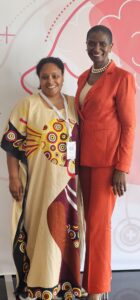
Paloma Fernandes
Co-Founder, President & Director of Programming and Communications
Why I’m Here
“I’m here because people’s stories are too often translated without their consent, softened for comfort, or erased altogether. I don’t believe in fixing people — I believe in walking with them while systems learn to do better. I show up because lived experience is knowledge, and community wisdom deserves to be centered, not sidelined.”
I didn’t come to this work by accident. I came because I’ve lived the gaps — linguistic, cultural, medical, educational, and emotional — and I know what happens when no one is there to interpret, advocate, or simply listen.
A Day in My Work
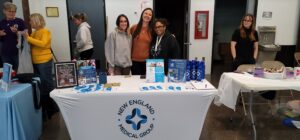
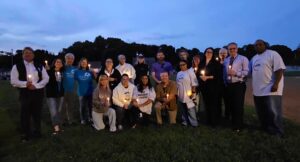
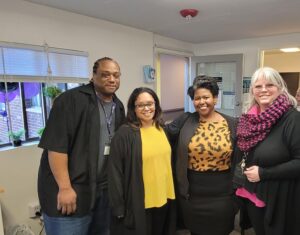
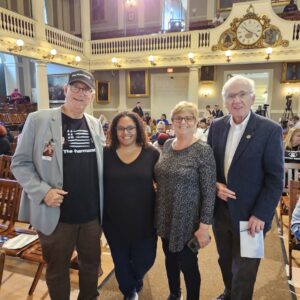
No two days look the same, and that’s intentional. Some days I’m translating across five languages, other days I’m designing training materials, meeting with state agencies, facilitating community conversations, or sitting with families trying to make sense of systems that weren’t built with them in mind.
My work lives at the intersection of harm reduction, mental health education, language access, and systems accountability. I support people navigating substance use, trauma, disability, immigration, and grief — often all at once. Sometimes the work is logistical: forms, referrals, follow-ups. Other times it’s relational: slowing things down, naming what’s unsaid, helping people feel seen.
I don’t separate policy from people. Whether I’m working with a state council, a grassroots group, or a parent at a kitchen table, the question is always the same: Does this actually work for the people most impacted?
My Approach
I’m trained as a licensed social worker, mediator, and community educator, but my approach is shaped just as much by lived experience, neurodivergence, and cultural fluency. Being multilingual taught me early that meaning isn’t just about words — it’s about context, tone, history, and trust.
I work transdisciplinarily, pulling from social work, conflict resolution, public health, and cultural studies because real life doesn’t fit into one discipline. I believe prevention starts with belonging, and healing starts when people are allowed to define their own needs.
I meet people where they feel safe, without assumptions. I ask better questions instead of rushing to solutions. I design systems that are flexible enough to hold real human complexity — especially for those who have been historically excluded or misunderstood.
Core Values
Equity • Accountability • Cultural Humility • Compassion • Truth
Defining Moment
Living with multiple chronic health conditions, learning differences, and trauma reshaped how I understand resilience. I learned early that survival often looks invisible from the outside, and that strength isn’t loud — it’s persistent.
There were moments when I realized I was expected to adapt endlessly to systems that refused to adapt to me. That clarity became fuel. I stopped asking how to fit in and started asking how to redesign what wasn’t working. My leadership is rooted in that shift — from endurance to transformation.
I don’t separate my story from my work. It’s the reason I notice what others overlook and why I refuse to accept “that’s just how it is” as an answer.
Beyond Work
Outside of formal roles, I’m a parent, an artist, a writer, and a lifelong learner. Creativity is not separate from my work — it’s how I process, teach, and imagine alternatives. Poetry, visual storytelling, and community dialogue are tools I use to make space for reflection and connection.
Community care doesn’t turn off after meetings end. It lives in how we check in, how we remember names, how we follow through. This work doesn’t fit neatly into business hours, because people’s lives don’t either.
In My Words
“We don’t build programs for communities — we build them with communities.
We listen when it would be easier to explain.
We slow down systems that move too fast for real people.
We honor lived experience as expertise.
And we keep showing up — not to be heroes, but to be consistent, accountable, and human.”
This site is a living system — it grows and changes with community needs.
If something feels unclear, inaccessible, or missing, your feedback helps shape what comes next.
Email us anytime at info@ourunitedcommunities.org or tap on the “Help us improve this page” button